Domain ohz24.de kaufen?
Wir ziehen mit dem Projekt
ohz24.de um.
Sind Sie am Kauf der Domain
ohz24.de interessiert?
domain@kv-gmbh.de · 0541-91531010
Domain ohz24.de kaufen?
Sind normale Ballons als Spielzeug für Helium geeignet?
Normale Ballons sind grundsätzlich als Spielzeug für Helium geeignet, da sie leicht genug sind, um mit dem Gas gefüllt zu werden und in der Luft zu schweben. Es ist jedoch wichtig, sicherzustellen, dass die Ballons aus Latex oder einem anderen Material bestehen, das für den Gebrauch mit Helium geeignet ist, da einige Kunststoffballons nicht für Helium geeignet sind und nicht schweben würden. Es ist auch wichtig, die Anweisungen für das sichere Befüllen und Handhaben von Heliumballons zu befolgen, um Unfälle zu vermeiden. **
Cake or fake?
It depends on the context. If you are asking about a choice between eating cake or something that is not real, then cake would be the preferred option. However, if you are asking about the authenticity of something, then fake would imply that it is not genuine or real. **

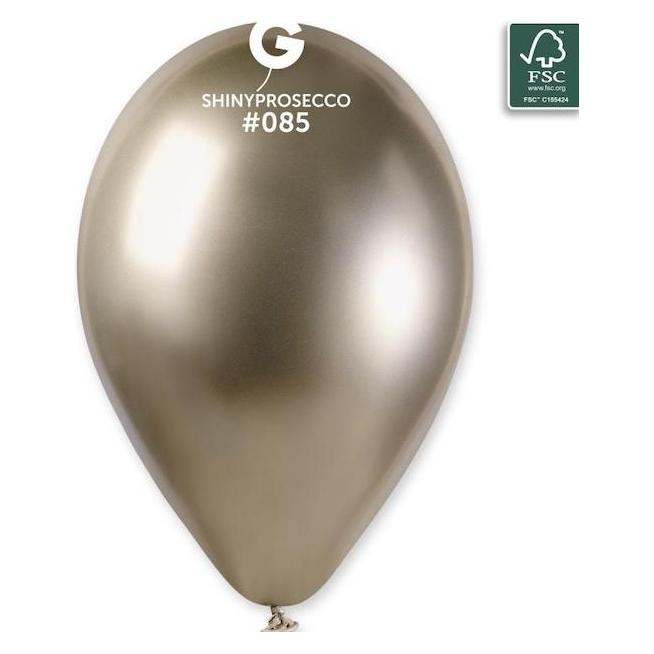
Ähnliche Suchbegriffe für Gemar-Ballons-Chromés-Or
Top-Angebote
Produkte zum Begriff Gemar-Ballons-Chromés-Or:
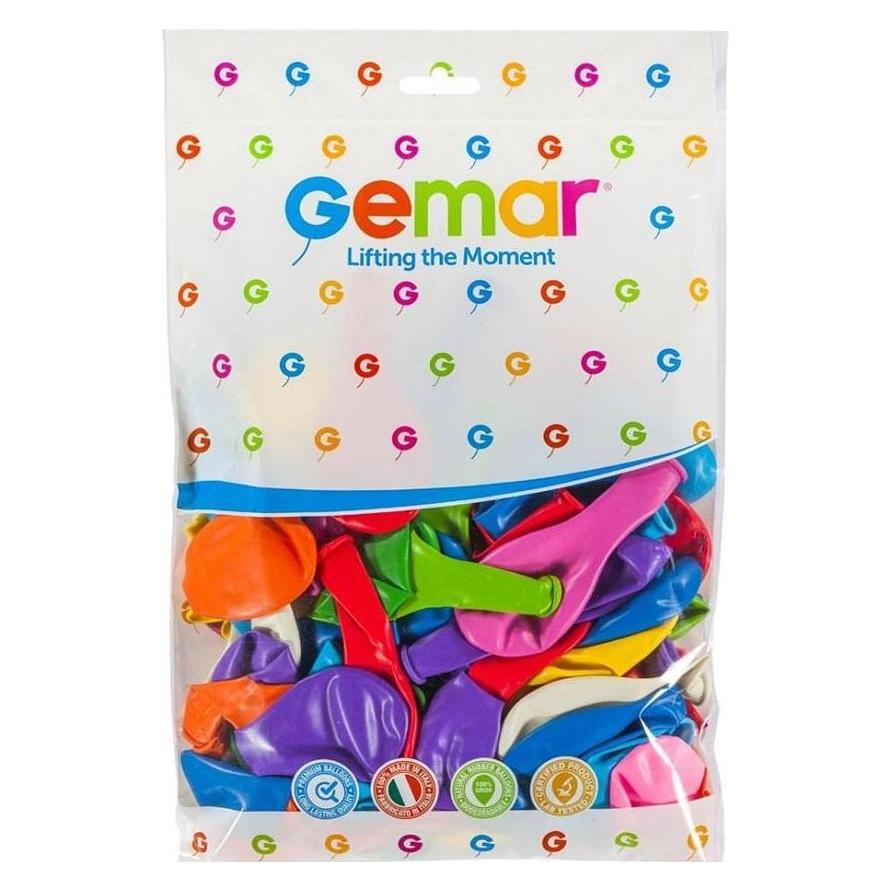



-
Will or gonna?
"Will" and "gonna" are both used to express future actions, but there are slight differences in their usage. "Will" is more formal and is used in more formal situations, while "gonna" is a more informal and colloquial way of expressing future actions. **
-
Do or does?
The choice between "do" and "does" depends on the subject of the sentence. "Do" is used with plural subjects and "does" is used with singular subjects. For example, "They do their homework" and "She does her homework." **
-
Anyway or anyways?
Both "anyway" and "anyways" are commonly used in spoken English to mean the same thing. However, "anyway" is more widely accepted and considered to be the standard form. "Anyways" is often considered to be more informal or colloquial. **
-
Doesn't or don't?
The correct form to use depends on the subject of the sentence. "Doesn't" is used with singular subjects, while "don't" is used with plural subjects. For example, "He doesn't like coffee" (singular subject) and "They don't like coffee" (plural subject). **


Travelling or traveling?
Both "travelling" and "traveling" are correct spellings of the word, but they are used in different regions. "Travelling" is more commonly used in British English, while "traveling" is more commonly used in American English. **
Do or make?
The choice between "do" and "make" depends on the context and the specific action being referred to. "Do" is generally used for activities or actions that involve performing or carrying out something, while "make" is used for creating or producing something tangible. For example, you would say "do your homework" but "make a cake." **
Top-Angebote
Produkte zum Begriff Gemar-Ballons-Chromés-Or:
-
Sind normale Ballons als Spielzeug für Helium geeignet?
Normale Ballons sind grundsätzlich als Spielzeug für Helium geeignet, da sie leicht genug sind, um mit dem Gas gefüllt zu werden und in der Luft zu schweben. Es ist jedoch wichtig, sicherzustellen, dass die Ballons aus Latex oder einem anderen Material bestehen, das für den Gebrauch mit Helium geeignet ist, da einige Kunststoffballons nicht für Helium geeignet sind und nicht schweben würden. Es ist auch wichtig, die Anweisungen für das sichere Befüllen und Handhaben von Heliumballons zu befolgen, um Unfälle zu vermeiden. **
-
Cake or fake?
It depends on the context. If you are asking about a choice between eating cake or something that is not real, then cake would be the preferred option. However, if you are asking about the authenticity of something, then fake would imply that it is not genuine or real. **
-
Will or gonna?
"Will" and "gonna" are both used to express future actions, but there are slight differences in their usage. "Will" is more formal and is used in more formal situations, while "gonna" is a more informal and colloquial way of expressing future actions. **
-
Do or does?
The choice between "do" and "does" depends on the subject of the sentence. "Do" is used with plural subjects and "does" is used with singular subjects. For example, "They do their homework" and "She does her homework." **
Ähnliche Suchbegriffe für Gemar-Ballons-Chromés-Or
-
Anyway or anyways?
Both "anyway" and "anyways" are commonly used in spoken English to mean the same thing. However, "anyway" is more widely accepted and considered to be the standard form. "Anyways" is often considered to be more informal or colloquial. **
-
Doesn't or don't?
The correct form to use depends on the subject of the sentence. "Doesn't" is used with singular subjects, while "don't" is used with plural subjects. For example, "He doesn't like coffee" (singular subject) and "They don't like coffee" (plural subject). **
-
Travelling or traveling?
Both "travelling" and "traveling" are correct spellings of the word, but they are used in different regions. "Travelling" is more commonly used in British English, while "traveling" is more commonly used in American English. **
-
Do or make?
The choice between "do" and "make" depends on the context and the specific action being referred to. "Do" is generally used for activities or actions that involve performing or carrying out something, while "make" is used for creating or producing something tangible. For example, you would say "do your homework" but "make a cake." **
* Alle Preise verstehen sich inklusive der gesetzlichen Mehrwertsteuer und ggf. zuzüglich Versandkosten. Die Angebotsinformationen basieren auf den Angaben des jeweiligen Shops und werden über automatisierte Prozesse aktualisiert. Eine Aktualisierung in Echtzeit findet nicht statt, so dass es im Einzelfall zu Abweichungen kommen kann. ** Hinweis: Teile dieses Inhalts wurden von KI erstellt.